Healthy Minds Compact Nursery to Year 6
The psychological fitness curriculum for Early Years and Primary
Healthy Minds Compact Nursery to Year 6 is a developmental psychological fitness curriculum designed to help children build the understanding, skills and everyday habits that support them to regulate, recover and adapt through challenge, change and everyday life.
The curriculum develops progressively from Nursery to Year 6. Children begin by experiencing and noticing simple skills through play, relationships and everyday interactions. As they grow, they develop greater emotional awareness, stronger communication and thinking skills, a deeper understanding of their strengths, and increasing ability to make deliberate choices about how they respond.
Psychological fitness is taught as learning, not therapy. Children practise skills before they are urgently needed, so that over time those skills become more familiar and more available during everyday challenge.
The curriculum is organised into four developmental stages.
First Steps → Growing → Building → Strengthening
The developmental journey Across Healthy Minds Compact, the curriculum develops with the child.
Nursery - First Steps Experience and notice Children experience psychological fitness through relationships, play and everyday moments.
Reception & Year 1 - Growing Experience, name and recognise Children develop simple language for what they are experiencing and begin to recognise skills in themselves and others.
Years 2–4 - Building Understand, practise and choose Children begin to understand how emotions, thoughts, relationships, strengths and actions connect and develop a wider range of possible responses.
Years 5–6 - Strengthening Reflect, choose and apply Children develop greater flexibility, agency and ability to apply psychological fitness skills intentionally in different situations.
Browse the different stages.
Modules and lessons
Explore the curriculum
Browse modules in order, then open any lesson for its summary, learning outcomes, and supporting resources.
Healthy Minds Compact First Steps
First Steps introduces psychological fitness through play, stories, movement, modelling and shared everyday experiences. Children begin to notice feelings, practise kindness and listening, recognise strengths and explore simple ways of responding when things feel difficult.
The emphasis is on experiencing, noticing and practising rather than remembering lots of new vocabulary.
Children learn through five sessions: 1. Kind Hands, Kind Words Recognising and practising kindness through everyday actions. 2. Listen With Care Beginning to understand that listening helps us understand other people. 3. Name That Feeling Recognising familiar feelings, noticing simple body clues and beginning to think about what or who might help. 4. I Can Shine Noticing strengths through everyday actions and recognising that strengths can grow. 5. We All Shine Recognising and celebrating strengths in ourselves and other people without comparison or ranking.
Developmental focus Experience it → Notice it → Practise it
Children begin to notice what is happening inside and around them and experience helpful ways of responding.
This resource is supported by a recorded CPD series giving teaching professionals the core psychological ideas, developmental approach and practical teaching principles behind Healthy Minds Compact from Nursery to Year 6.
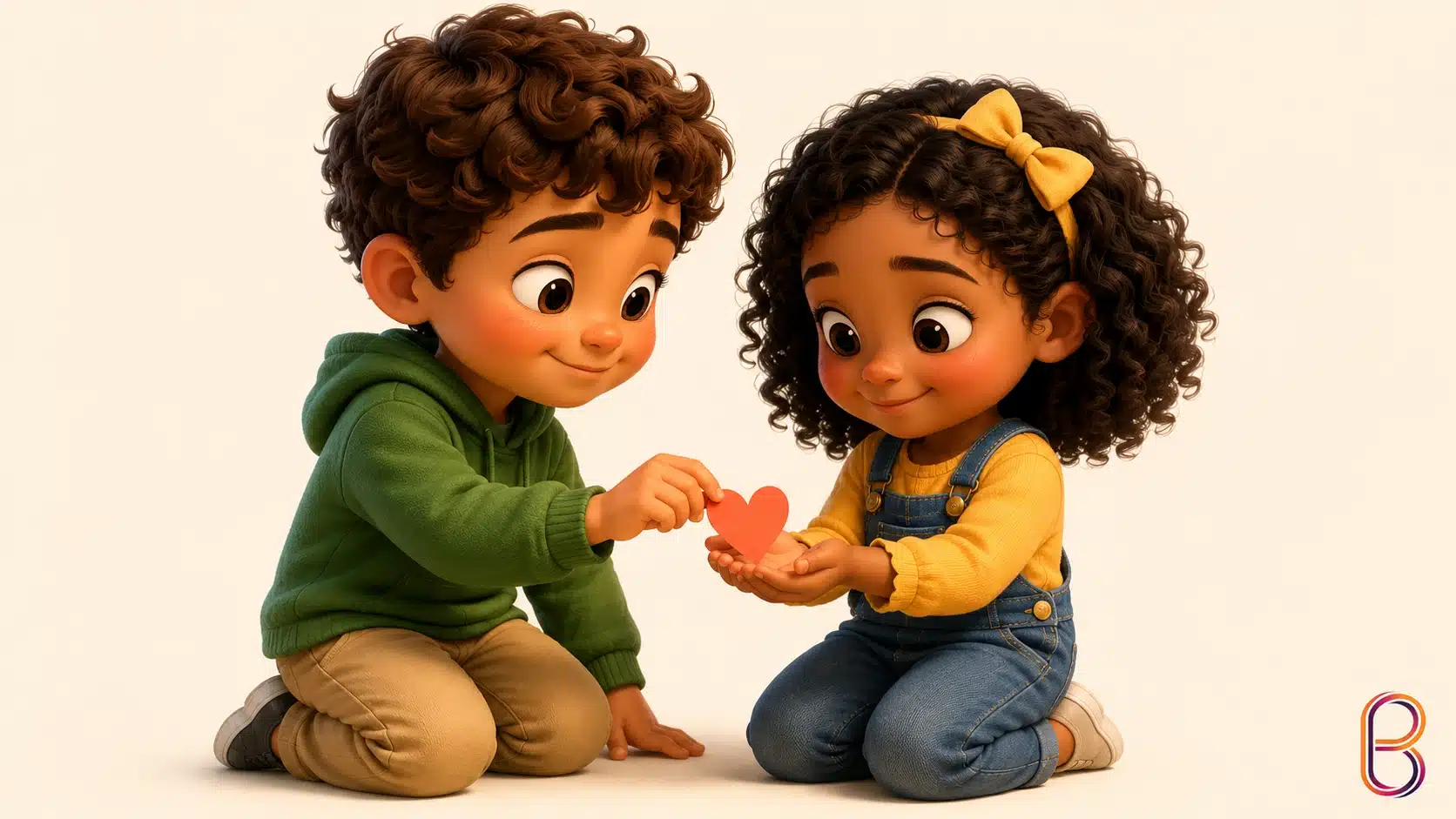
Healthy Minds Compact: First Steps: Kind Hands, Kind Words
Children learn that kindness is something we do. Recognising and practising kindness through everyday actions.
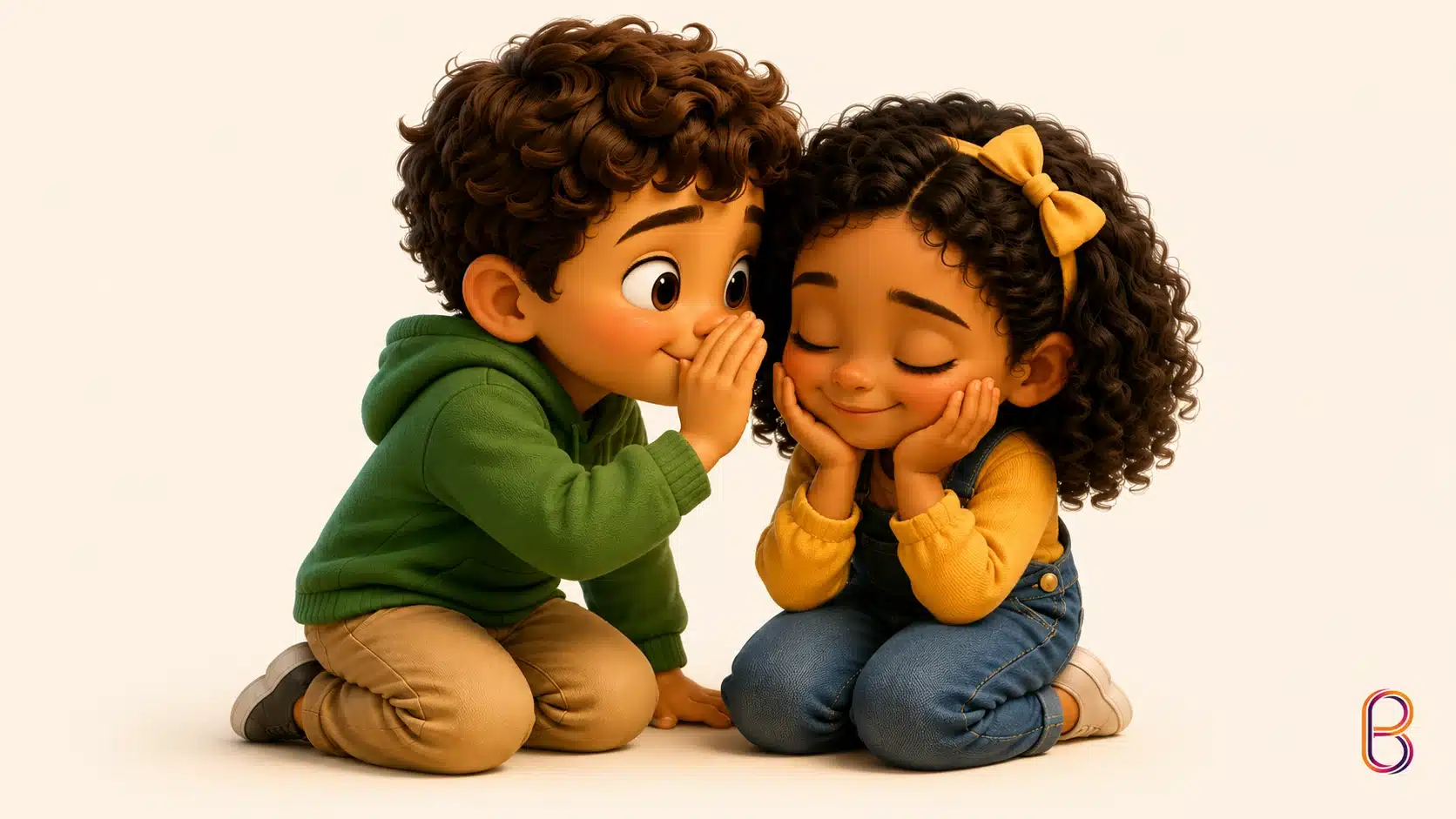
Healthy Minds Compact: First Steps: Listen With Care
Kindness is something we do.
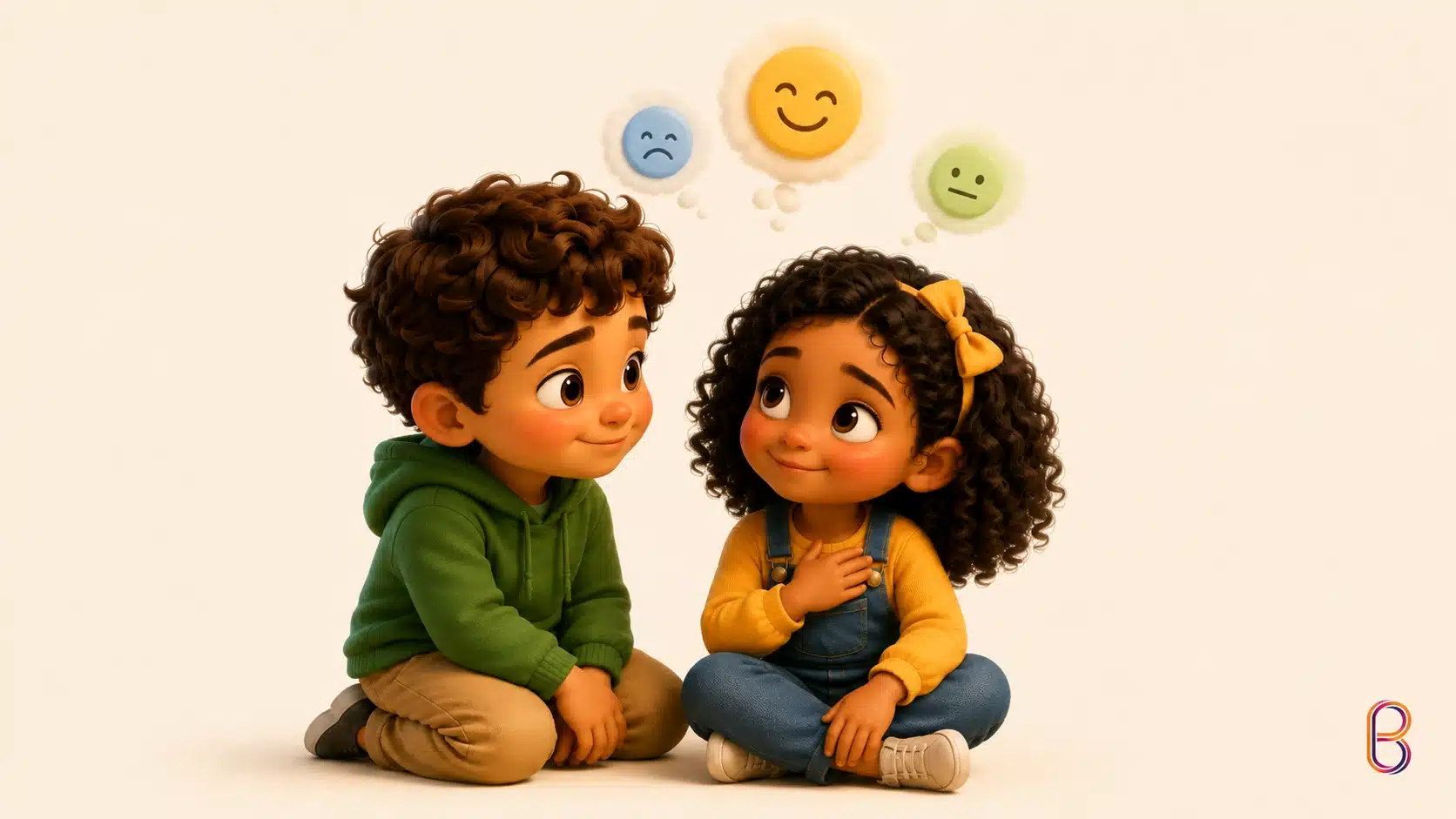
Healthy Minds Compact: First Steps: Name That Feeling
Children learn about emotions. Notice it. Name it. What or who might help?
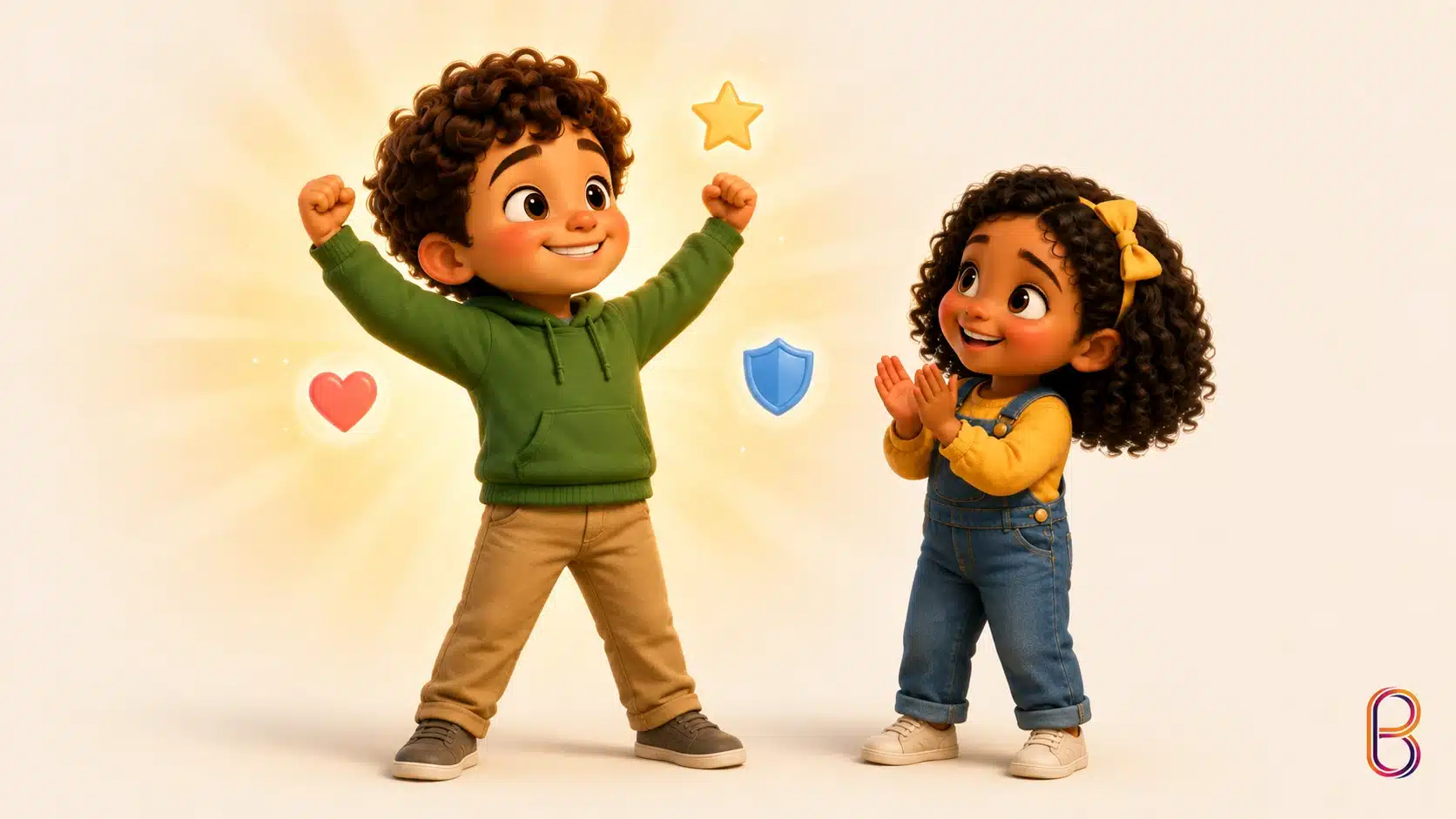
Healthy Minds Compact: First Steps: I Can Shine
Children learn about their indiviudal strengths
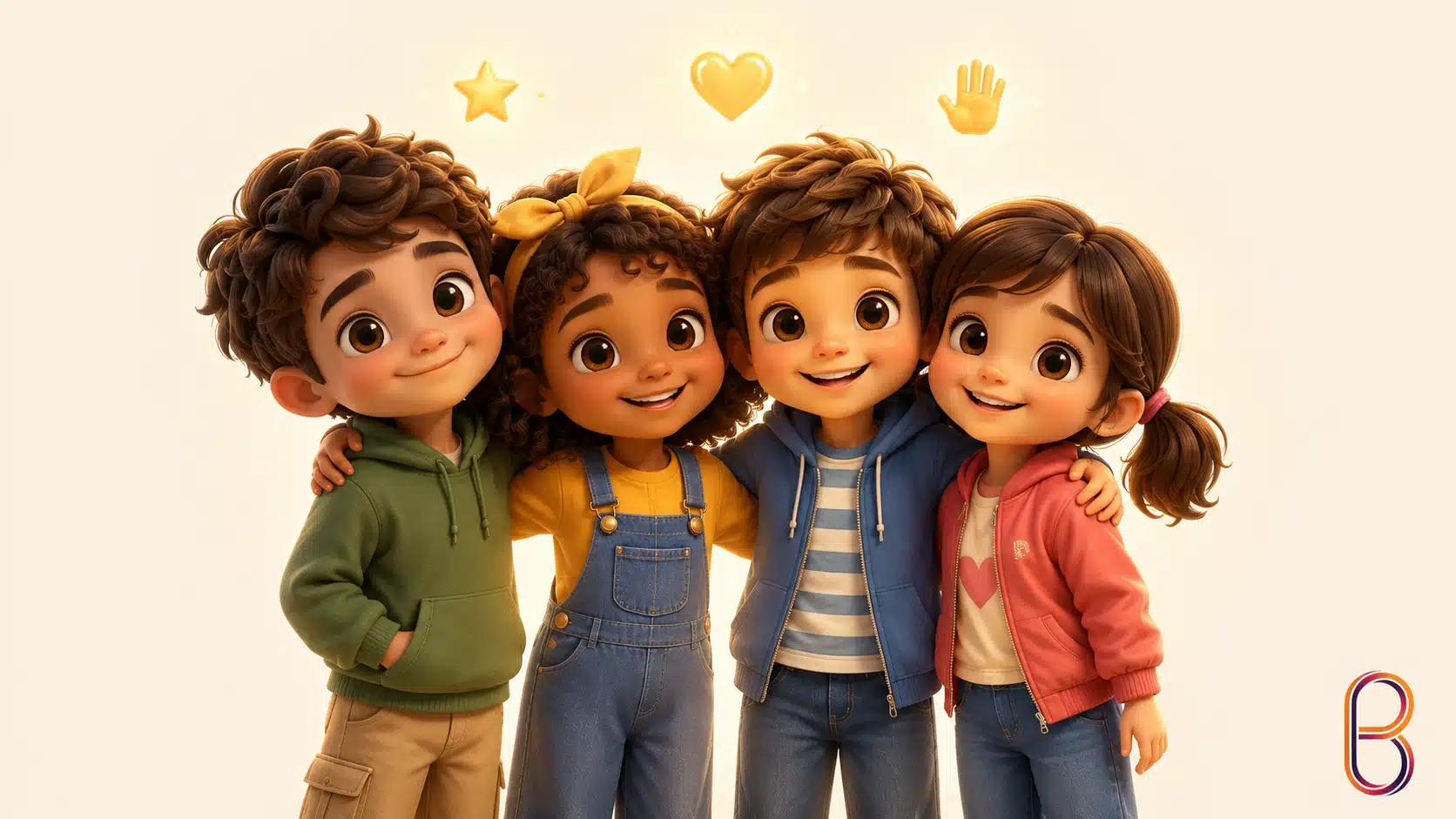
Healthy Minds Compact: First Steps: We All Shine
Children learn to notice strengths in each other.
Heathy Minds Compact: Growing
Growing builds on children’s early experiences by giving them simple language for psychological fitness skills and more opportunities to practise them intentionally.
Learning continues through stories, play, movement, modelling, conversation and repeated classroom experiences.
Children learn through five lessons:
1. Kind Hands, Kind Words Discovering how kindness appears in the things we say and do. 2. Listen With Care Practising giving someone attention and responding to what they have communicated. 3. Name That Feeling Developing emotional vocabulary and beginning to understand feelings as signals. 4. When I Shine Recognising strengths through what people actually do. 5. The Things That Make Me Shine Recognising, sharing and developing strengths in everyday life.
Developmental focus Experience it → Name it → Notice it again
Children begin to connect their experiences with simple psychological fitness language and recognise skills when they appear in everyday life.
This resource is supported by a **recorded CPD **series giving teaching professionals the core psychological ideas, developmental approach and practical teaching principles behind Healthy Minds Compact from Nursery to Year 6.
Healthy Minds Compact: Growing: Kind Hands. Kind Words
Discover how kindness shows up in the things we say and do.
Healthy Minds Compact: Growing: Listen with care
Practise giving someone our attention and showing that we have heard them.
Healthy Minds Compact: Growing: Name That Feeling
Notice the clues our feelings give us and learn simple words for what might be happening inside.
Healthy Minds Compact: Growing: When I Shine
Discover that strengths are things we show through what we do.
Healthy Minds Compact: Growing: Things That Make Me Shine
Notice, share and celebrate the strengths we use in everyday life.
Healthy Minds Compact Building
Building develops children’s growing ability to notice what is happening inside themselves, understand other people’s perspectives and recognise connections between thoughts, feelings and actions.
Children move beyond simply recognising skills and begin to understand, practise and choose between different ways of responding.
The seven core lessons are: 1. Kindness in Action Understanding kindness as something we can notice, choose and practise. 2. Name That Feeling Developing emotional vocabulary and recognising emotions as useful signals. 3. Active Listening Learning to listen to understand rather than simply waiting for a turn to speak. 4. Choosing What We Notice Learning to widen attention when thinking becomes stuck mainly on difficulty or what might go wrong. 5. Choosing Helpful Stories Beginning to separate what happened from the interpretation the brain adds and considering what else could be true. 6. Me at My Best Recognising strengths through evidence and understanding that strengths can be practised and developed. 7. My Happy Helps *Understanding positive emotion as one useful psychological fitness resource rather than something we should feel all the time.
Building also includes a: Regulation Skills Toolkit
Children practise a growing range of regulation strategies, including: • body skills • breathing and intentional stillness • distraction skills • connection skills • talking and spending time with other people • gratitude.
Children learn: Notice what is happening → Choose a strategy → Try it → Notice what happens
The emphasis is not on finding one technique that always works. It is on building a bank of possibilities and learning to choose thoughtfully.
Developmental focus Notice it → Understand it → Practise it → Use it Children develop greater awareness, flexibility and choice.
This resource is supported by a **recorded CPD **series giving teaching professionals the core psychological ideas, developmental approach and practical teaching principles behind Healthy Minds Compact from Nursery to Year 6.
Healthy Minds Compact: Building: Kindness in Action
Children explore kindness as something we do, rather than simply something we are.
Healthy Minds Compact: Building - Name That Feeling
Children build emotional vocabulary and learn to recognise emotions as useful signals. Children are not taught that particular body signals always mean one emotion, or that there is one correct strategy for a particular feeling. They learn to notice, stay curious and build a range of possibilities.
Healthy Minds Compact: Building - Active Listening
Children explore listening as an active relationship skill rather than simply remaining quiet while someone else speaks. The emphasis is on attention rather than compulsory eye contact. Children can show listening in different ways. Core idea: Listen to understand, not simply to wait for your turn to speak.
Healthy Minds Compact: Building - Choosing What We Notice
Children are introduced to optimistic and pessimistic thinking as different ways attention can be directed. Optimistic thinking is not presented as ignoring difficulty or pretending everything will be fine. Children first acknowledge what is hard and then practise looking more widely. They use four practical questions: What is hard here? What else is also true? What can I control? What could I try next? Core idea: We can practise widening our attention when our thinking becomes stuck.
Healthy Minds Compact: Building - Choosing Helpful Stories
Children begin to explore the relationship between an event and the interpretation their brain makes of it. Children are not being taught to replace uncomfortable thoughts with positive ones. They are learning to become more flexible thinkers. A simple structure supports the learning: What happened? → What is my brain telling me? → What else could be true? → What could I do next? Core idea: The first story our brain tells us is not always the only possible story.
Healthy Minds Compact: Building - Me at My Best
Children explore strengths as qualities that become visible through actions. Instead of teaching children that they are “the brave one”, “the kind one” or “the clever one”, adults help them notice evidence: “You showed bravery when you shared your idea even though you felt unsure.” Core idea:Strengths are things we can notice, use, practise and grow.
Healthy Minds Compact: Building - My Happy Helps
Children explore healthy positive emotion as one useful part of psychological fitness. The aim is not to remove difficult feelings. Children learn that small, healthy experiences of enjoyment, connection, movement or play can sometimes help them meet difficulty with a more ready mind and body. Core idea: Happiness can be a tool — not a rule.
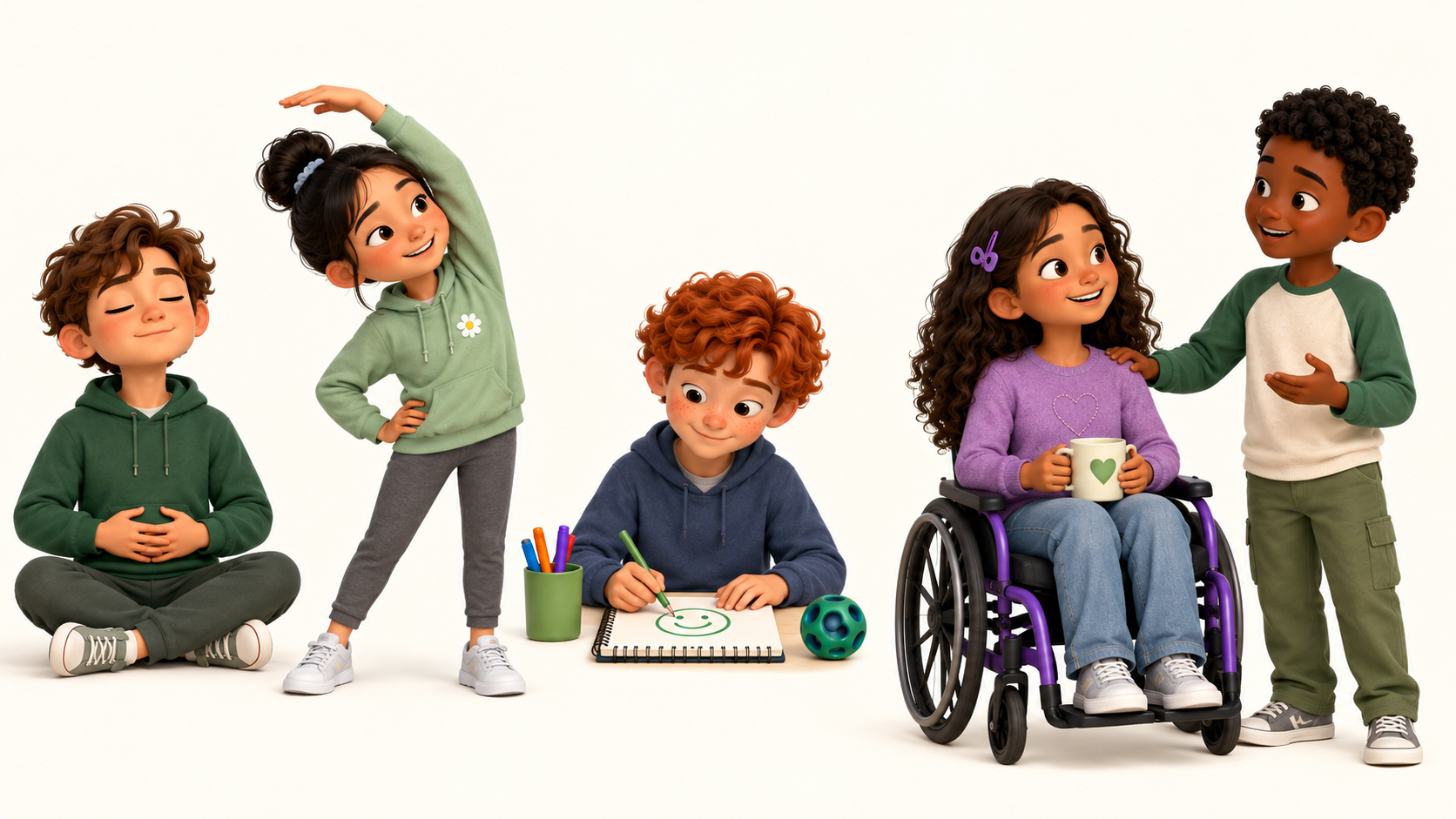
Healthy Minds Compact: Building - Regulation Skills Toolkit
The Regulation Skills Toolkit sits alongside the seven lessons. It gives children opportunities to practise simple regulation techniques before they urgently need them. The central message is: Notice what is happening → Choose a strategy → Try it → Notice what happens Children learn that different situations may need different approaches and that there is no single technique that works for everyone, every time. The toolkit introduces three broad types of strategy. Body skills Distraction skills. Connection skills. The goal is not to teach children one “correct” way to regulate. It is to help them develop a growing bank of choices and the ability to use those choices thoughtfully.
Healthy Minds Compact Strengthening
Strengthening reflects an important developmental shift.
As children become increasingly able to think about their own thinking, consider different perspectives and understand situations in greater depth, they move from learning individual psychological fitness skills towards greater reflection, agency and application.
The ten lessons are: 1. Strengths: Me at My Best Recognising strengths through real evidence and considering how they can support future situations. 2. Understanding Emotions Developing emotional awareness and understanding how emotions can appear through body sensations, thoughts and behaviour. 3. Listening to Understand Practising listening as an active psychological fitness, communication and relationship skill. 4. When Are Emotions Helpful or Unhelpful? Understanding emotions in context and considering what an emotion may be communicating. 5. The Stories Our Brains Tell Separating observable facts from the interpretation the brain creates and checking thinking against evidence. 6. Choosing Optimism Practising realistic optimism by considering other possibilities, useful next steps and what is within our control. 7. Celebrating My Strengths Recognising strengths as resources that can be used deliberately in different situations. 8. Sleep and Mental Fitness Understanding how sleep supports learning, memory, emotional regulation, growth and recovery. 9. Create a Mental Fitness Campaign Bringing psychological fitness learning together and using it to create something useful for others. 10. Share a Mental Fitness Campaign Using collaboration, communication and pupil voice to share psychological fitness learning beyond the individual.
Developmental focus Awareness → Understanding → Flexibility → Choice → Agency → Application
Children increasingly understand themselves, make deliberate choices and apply psychological fitness in the world around them.
This resource is supported by a **recorded CPD **series giving teaching professionals the core psychological ideas, developmental approach and practical teaching principles behind Healthy Minds Compact from Nursery to Year 6.
Healthy Minds Compact: Strengthening - Strengths: Me at My Best
Pupils explore what they are like when they are at their best and learn to recognise strengths through real examples of what they do, rather than simply choosing labels. They identify qualities they bring to different situations and consider how those strengths could support them as they grow and move towards Year 7.
Healthy Minds Compact: Strengthening - Understanding Emotions
Pupils develop emotional awareness by recognising emotions as signals, expanding the language they use for feelings and noticing how emotions can show up through body sensations, thoughts and behaviour. They also explore how the same emotion can look different in different people.
Healthy Minds Compact: Strengthening - Listening to Understand
Pupils experience listening as an active psychological fitness skill. Through practical activities, they practise giving full attention, pausing before responding, noticing verbal and non-verbal cues and checking understanding. They explore how listening can strengthen communication, relationships, trust and leadership.
Healthy Minds Compact: Strengthening - When Are Emotions Helpful or Unhelpful?
Pupils explore emotions without judging them as good or bad. They consider what an emotion may be signalling, how it can protect, motivate or guide us, and when its impact might begin to get in the way of useful action. Through different situations, pupils learn that context matters.
Healthy Minds Compact: Strengthening - The Stories Our Brains Tell
Pupils discover that our brains do not simply record events — they interpret them. They learn to separate observable facts from the story the brain adds, recognise common ways thinking can jump ahead and practise checking evidence and asking, “What else could be true?” This helps pupils develop greater flexibility in their thinking and creates more choice about what they do next.
Healthy Minds Compact: Strengthening - Choosing Optimism
Pupils explore how different ways of interpreting the same situation can influence what we notice and what we do next. They learn that we may not choose our first thought, but we can learn to notice it, consider another perspective and look for what is possible or within our control. Optimism is taught as realistic hope — not pretending that difficulties are not real.
Healthy Minds Compact: Strengthening - Celebrating My Strengths
Pupils return to their strengths with greater depth. Rather than simply identifying strengths, they consider which qualities come naturally, where they have seen them in action and which strengths they might choose to use more deliberately in future situations. They practise recognising and appreciating strengths in themselves and others and begin to see strengths as resources they can draw on intentionally.
Healthy Minds Compact: Strengthening - Sleep and Mental Fitness
Pupils explore sleep as an important part of psychological fitness. They learn that the brain and body remain active during sleep and that sleep supports learning, memory, emotional regulation, growth and recovery. Pupils reflect on routines and realistic choices that may help prepare the body and brain for sleep, without blame or judgement.
Healthy Minds Compact: Strengthening - Create a Mental Fitness Campaign
Pupils bring together learning from across Strengthening and use it for a real purpose. Working collaboratively, they identify something about psychological fitness that could help others, define an audience and purpose, develop clear messages and create a realistic call to action. In doing so, pupils move from learning about psychological fitness to communicating and applying it.
Healthy Minds Compact: Strengthening - Share a Mental Fitness Campaign
Pupils complete and share their Mental Fitness campaigns, explain the thinking behind their choices and practise giving and receiving constructive feedback. The lesson celebrates collaboration, communication and pupil voice, reinforcing the idea that psychological fitness can strengthen not only the individual but also the people and environments around them.
About the organisation
Bounce Forward
Bounce Forward is the UK’s psychological-fitness charity.
We help children and young people — and the adults and environments around them — develop the understanding, skills and shared language to regulate, recover and adapt through challenge, change and everyday life.
Our work brings together mental resilience and emotional wellbeing, shifting the focus upstream: building capability before crisis, rather than waiting for something to go wrong. We translate evidence from psychology, resilience research, cognitive behavioural approaches and positive psychology into practical learning that can be taught, modelled and used in real life.
From evidence-informed curricula and staff development to family support and whole-community approaches, our work recognises that young people do not develop in isolation. What happens around a young person shapes what becomes possible within them.
Everything we create is practical, grounded in evidence and designed to build something that lasts — psychologically fit people and communities, better prepared to meet life.