HM Compact: First Steps: Name That Feeling
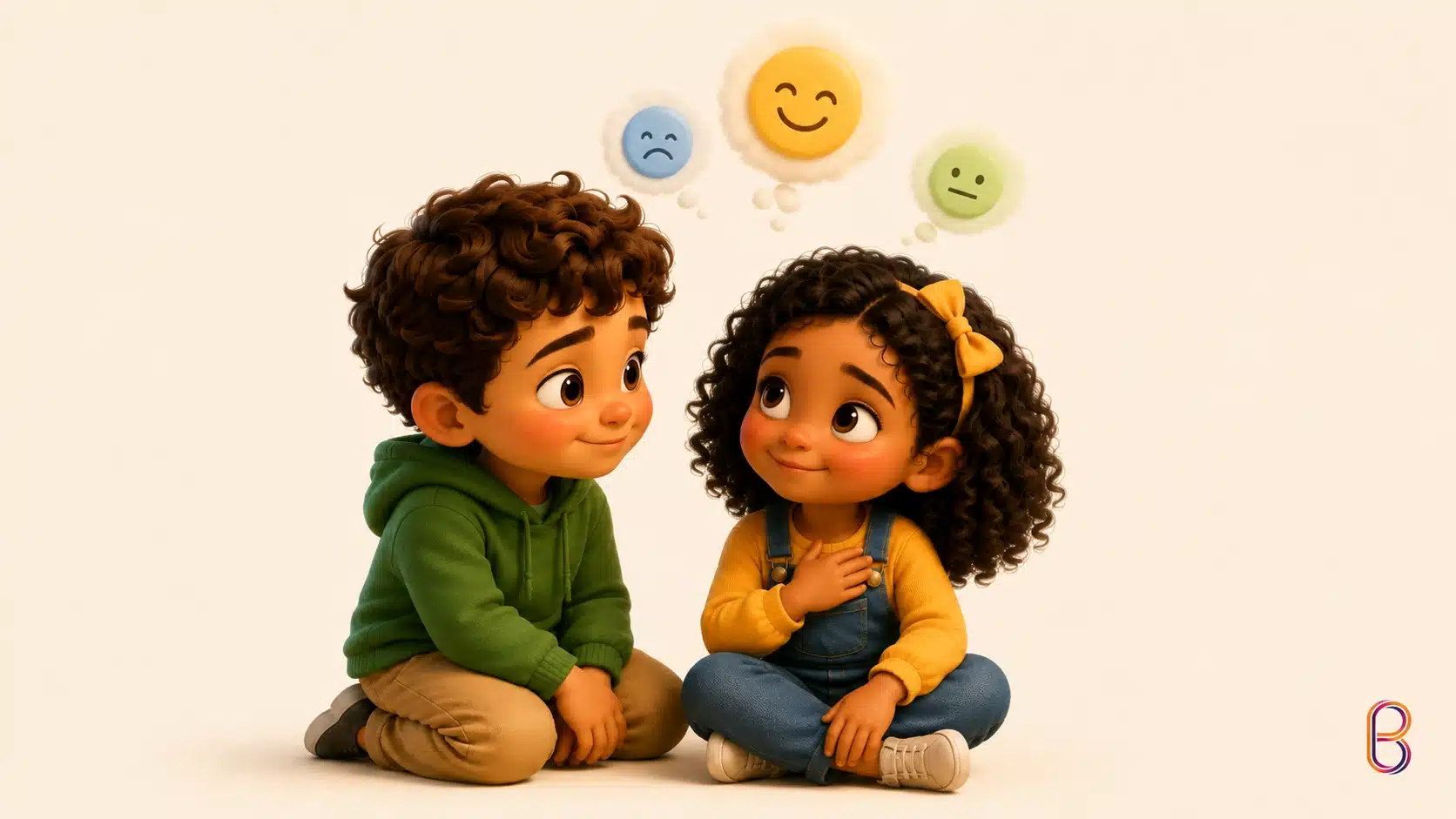
Children learn about emotions. Notice it. Name it. What or who might help?
Learning Outcomes
Outcome 1:
• recognise and name a small set of familiar feelings
Outcome 2:
• notice that feelings can sometimes give us clues through our bodies
Outcome 3:
• understand that different people can feel differently in the same situation
Outcome 4:
• begin to notice and name what might be happening inside them
Outcome 5:
• explore simple things that may help when a feeling feels big
Outcome 6:
• know that trusted adults can help and that we can work things out together
What's included
A quick look at the classroom-ready resources that come with this lesson.
Available after purchase
Available after purchase
Contributing Experts
People who helped produce this lesson.
Lucy Bailey
Lucy Bailey is Founder of Bounce Forward and Healthy Minds for Parents. With two decades of experience in mental resilience and emotional wellbeing, and training 1000s of teachers, parents and other adults around children and young people. Lucy is proud of her early career in youth work and children services. Lucy had a poor experience of school and that has driven her passion to influence UK policy to form a positive system of change with psychological fitness at the core. Lucy has directed national research projects (including the Healthy Minds five year study), is certified by University of Pennsylvania, has an MSc in Practice Based Research, a BSc in Social Policy and Criminology, and a Post-Graduate Certificate in Education. Her published book Raise Resilience: Teach your teenager well has led to the creation of the Psychological Fitness Nana bridging old school wisdom with modern psychology for parents of the 21st century.
About the Organisation
Bounce Forward is a registered charity on a mission to transform how we think about mental health, shifting the narrative from deficit and crisis to strength, prevention, and psychological fitness. They create evidence-based programmes, curricula, and training that give young people, school staff, and the adults around children the knowledge, language, and daily habits to build genuine mental resilience. From whole-staff training to five-year school curricula, everything they do is practical, grounded in science, and designed to make a lasting difference not just in the moment, but across a lifetime.